
Chocolate-Flavored Dog Toys: Are They Safe for Dogs?
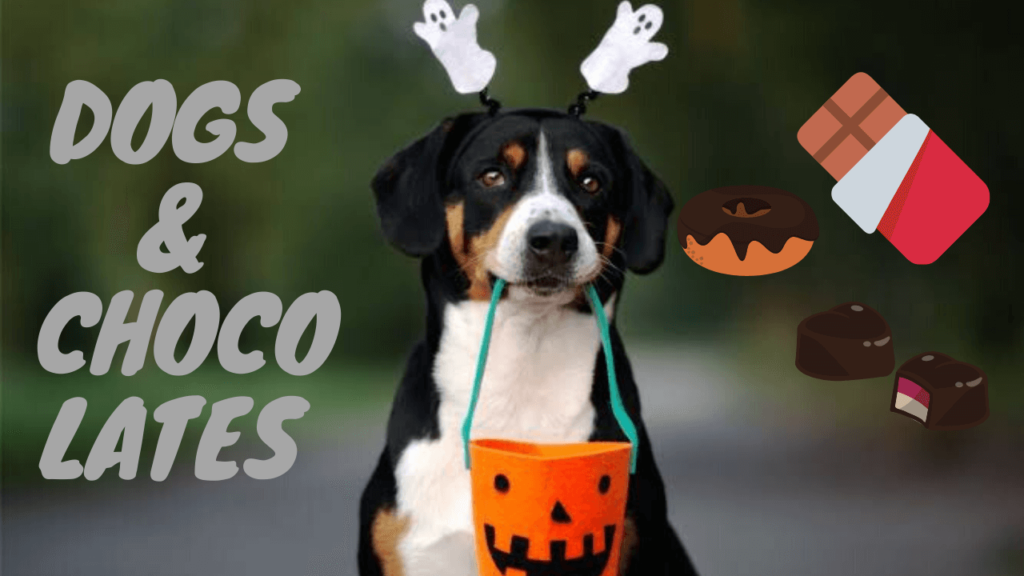
Chocolate-flavored dog toys are not the same as real chocolate. Learn what ingredients to check, why chocolate is dangerous for dogs, and how to choose safer toys.
Chocolate-flavored dog toys are not the same as real chocolate. Learn what ingredients to check, why chocolate is dangerous for dogs, and how to choose safer toys.

Wondering how big your puppy will get? Learn which clues actually help estimate adult dog size, including breed, parent size, growth pattern, age and paws.
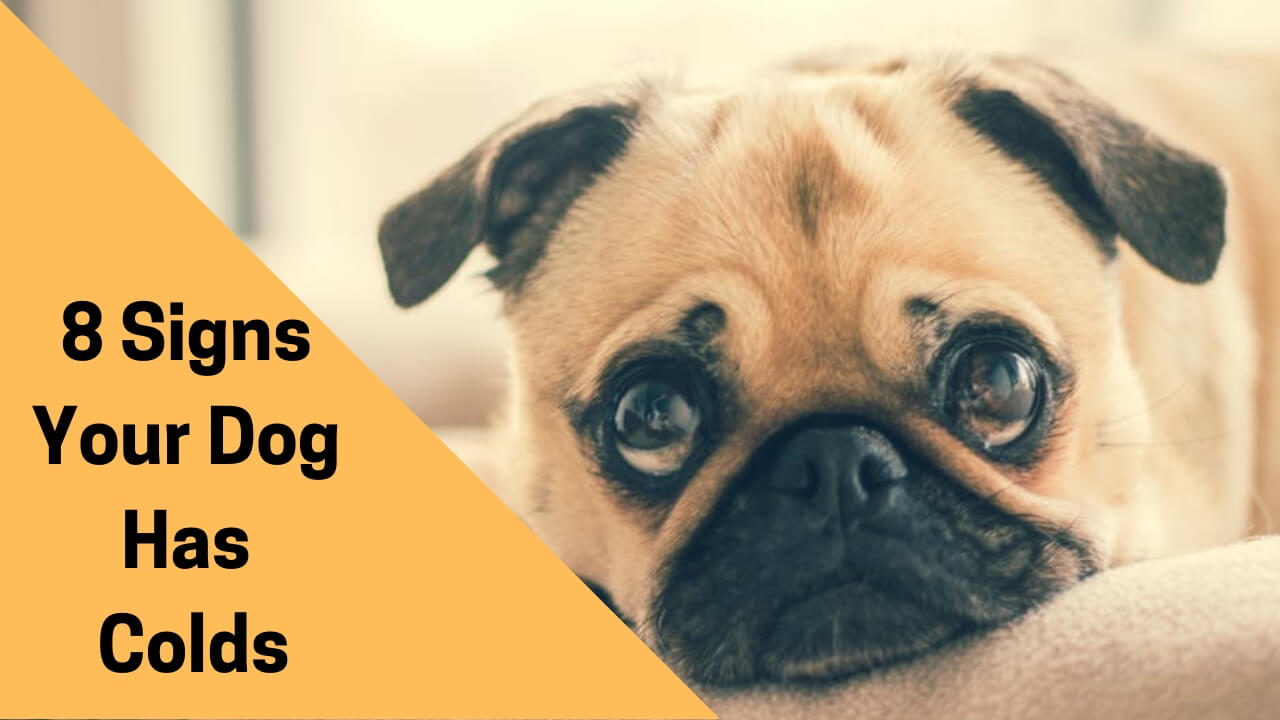
Coughing, sneezing, nasal discharge, lethargy and appetite changes can signal canine respiratory illness. Learn what to watch for and when to call your veterinarian.
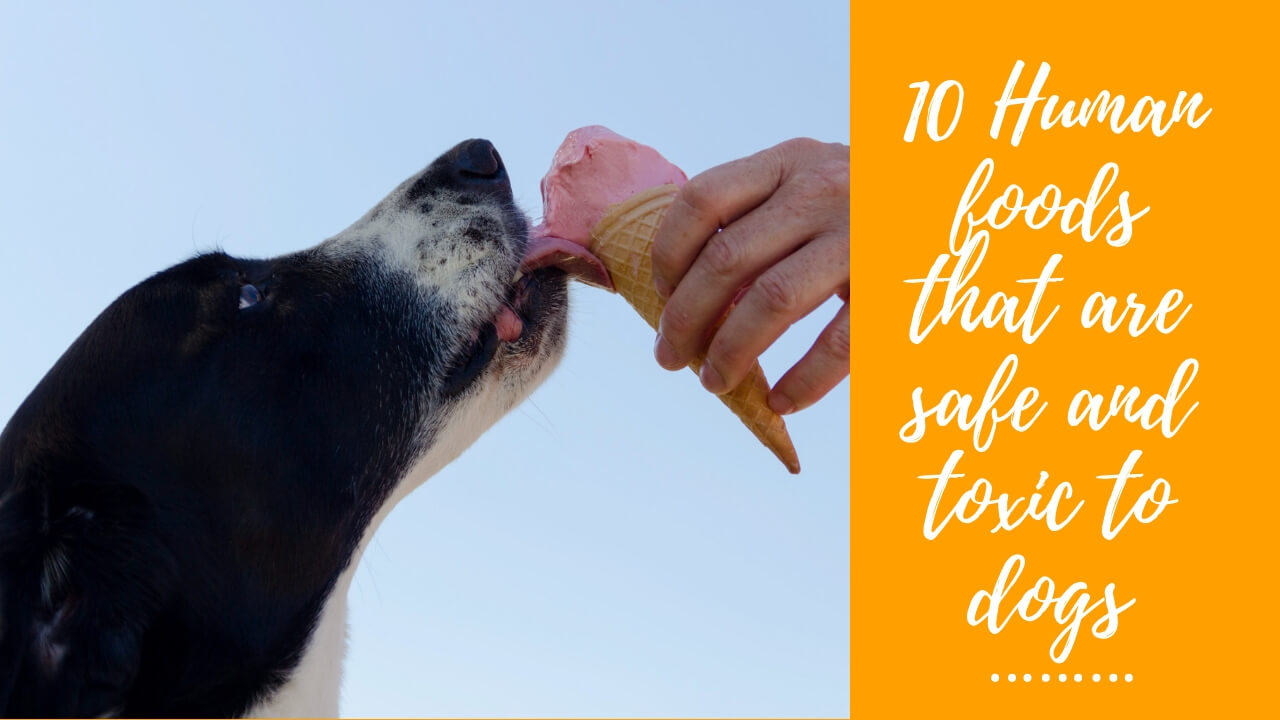
Which human foods are safe for dogs, and which should stay off-limits? Learn safer treat choices plus major hazards such as chocolate, xylitol, grapes, raisins and onions.

Learn how to choose safer dog toys, what risks to watch for with bones, rawhide, nylon chews and plush toys, and when to replace damaged toys.

Learn what dog tail position and movement can mean, why a wag does not always equal happiness, and how to read the tail together with the rest of the body.
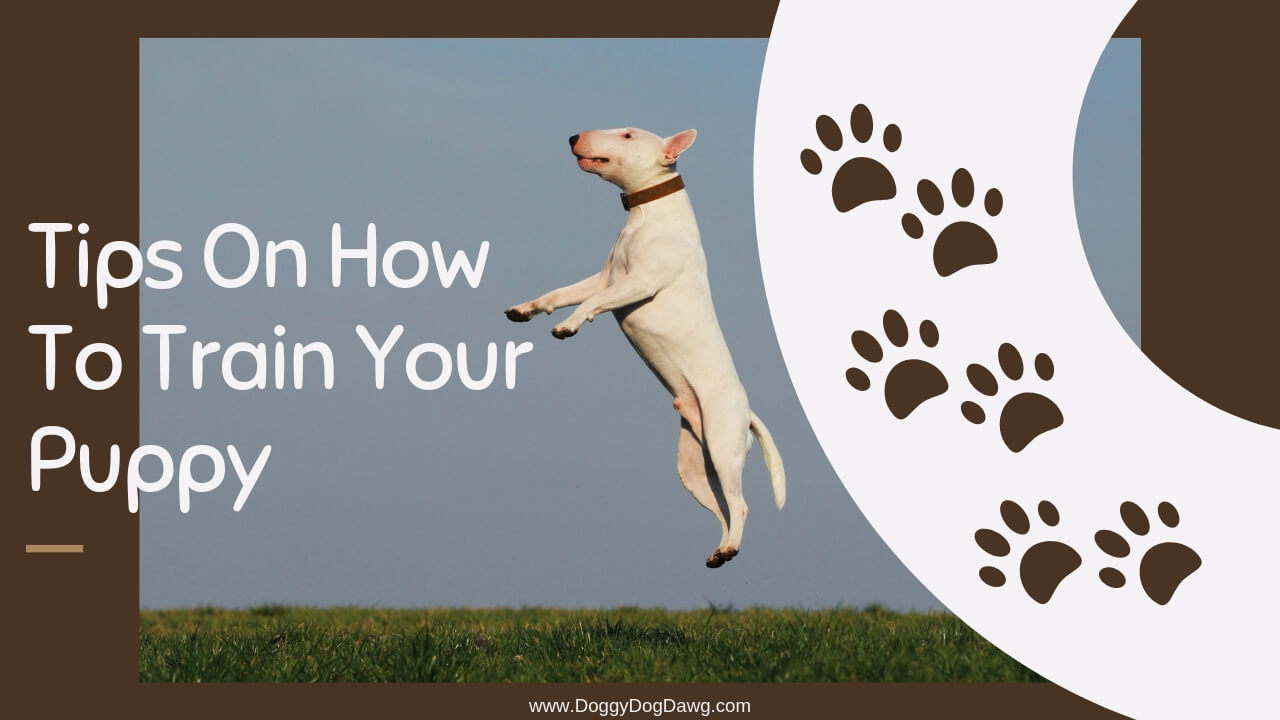
Practical puppy training tips built around consistency, positive reinforcement, clear house rules, recall practice and rewarding good behavior.

Set clear, consistent house rules for your dog using management, rewards, waiting cues and calm redirection instead of dominance or harsh corrections.

Dogs may scratch beds or floors before resting because of instinct, comfort, scent marking or simple habit. Learn what is normal and when scratching deserves attention.

Sharing a bedroom or bed with your dog can feel comforting, but sleep quality varies from person to person. Learn the possible benefits, drawbacks and practical tips.