Tail Dog Signs To Decipher
A dog’s tail can tell you a lot, but it should never be read by itself. The most useful approach is to read the tail together with posture, ears, eyes, mouth, movement, and the situation around the dog.
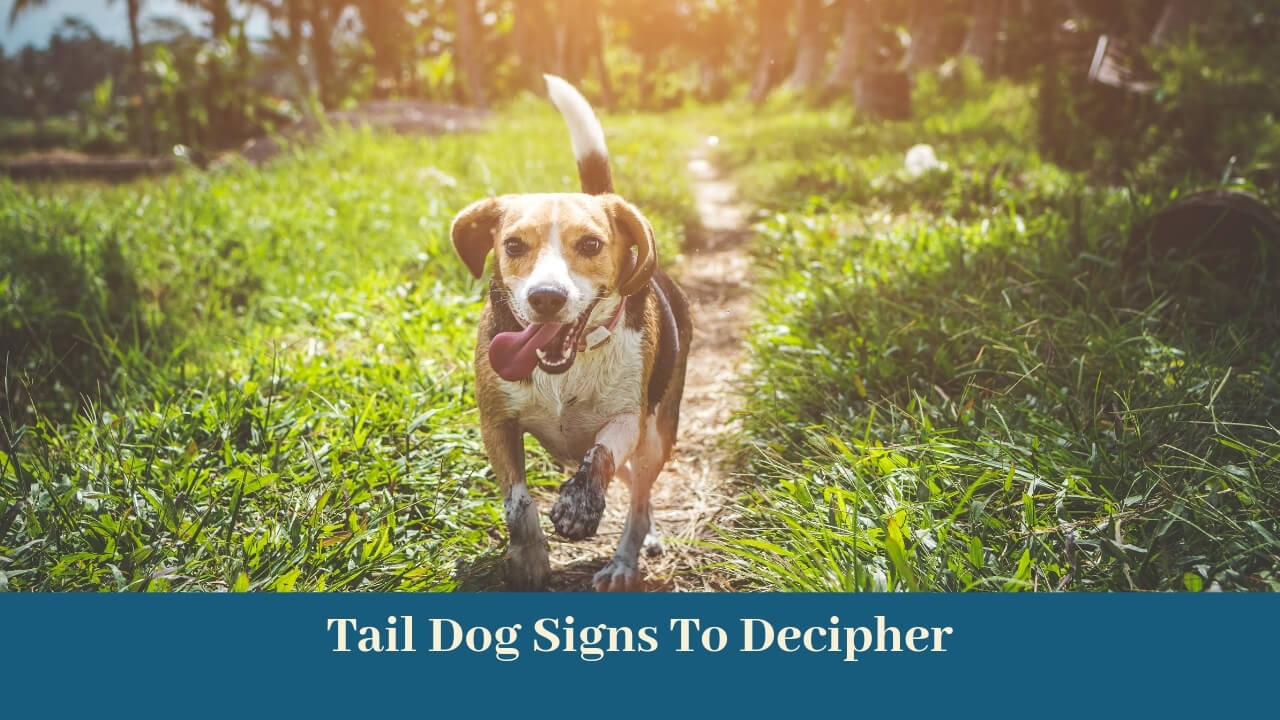
A wagging tail does not automatically mean “friendly.” A loose, sweeping wag paired with a soft body often appears during friendly excitement, while a stiff wag with a tense body can signal very different emotions.
Tail speed alone does not tell you whether a dog is happy. Fast wagging generally means higher arousal, which can include excitement, uncertainty, frustration, or tension.
A dog’s tail can tell you a lot, but it should never be read by itself. The most useful approach is to read the tail together with posture, ears, eyes, mouth, movement, and the situation around the dog.
Common tail signals to read in context
- High, stiff tail: can indicate alertness or heightened arousal, especially when the body is rigid.
- Low or tucked tail: may go with fear, uncertainty, stress, or an attempt to appear non-threatening.
- Neutral tail position: varies by breed and individual, so compare it with your dog’s normal resting posture.
- Wag direction: has been studied, but it is not a practical stand-alone test for judging an unfamiliar dog.
- Overall posture: matters more than left-versus-right wagging when reading everyday body language.
- Fast, tight wag: can signal high arousal and should be interpreted with posture and facial expression.
- Loose, broad wag: often appears during friendly excitement when the rest of the body is relaxed.
- Short, tight movements: can appear when a dog is tense or highly focused.
- Relaxed tail: often goes with a loose, comfortable body.
But there are some exemptions. It is best not to rely on dog’s tail position when meeting a new dog. Observe the overall body language of the dog and ask the owner if the dog is friendly before approaching. There are also dogs who have naturally high, curved tail like Chow Chows and Chinese Shar-Peis, while Whippets and Greyhounds have a lower tail carriage. In pugs and other breeds with naturally curved tails, a tense tail is when the existing curl in the tail gets tighter.
Read the whole dog
Tail position makes the most sense when you pair it with the dog’s entire posture. Look at muscle tension, ear position, eye shape, mouth, movement, and whether the dog is moving toward or away from something. Breed and anatomy also change the picture, so learn your own dog’s normal resting tail position.
When meeting an unfamiliar dog, ask the owner before approaching and allow the dog to choose whether to come closer. If the dog freezes, retreats, growls, or otherwise appears uncomfortable, give them more distance.
During walks, well-fitted collars and leashes and dog harnesses can help handlers manage space while paying attention to body language.
Bottom line: the tail is one part of a larger conversation. Learn your dog’s normal posture and read changes in the context of the entire body.