Bones
It was always argued whether bones are okay to give to your dogs for biting as long as it is uncooked and of an explicit sort. A lot of online journals supports this subject. Few people wholeheartedly suggest bones, asserting that uncooked, strong bones (like hamburger knuckle bones, and so forth) can give long periods of protected and characteristic biting. They frequently refer to the “naturalness” of dogs biting on bones, since wolves and mutts in the wild eat or bite through bones. That is mostly valid, however just in the matter that you overlook these different realities about bones:
Bones Splinter: Whether cooked, uncooked, strong, or empty, bones can and do chip, yet they’re still sufficiently hard to break teeth. Those chips can prompt mouth or potentially stomach related aggravation or cut. You don’t catch this with wolves and wild canines since… well… it is in nature. In any case, this does occur and those wild mutts will experience the ill effects of agony and infection before they die from inability to eat, peritonitis or sepsis secondary to spillage of stomach/intestinal substance into their intestinal cavity, or other painful complications of their bone-related injuries.
Dogs Don’t Need Bones: Wolves and wild pooches eat bones, to some degree, to help balance their needs of calcium and different minerals in their eating regimen. Tamed mutts don’t have such a requirement for supplemental nutrients, in so far as they’re sustained an entire and adjusted diet.
Indeed, even the FDA has issued a notice to pet owners about bones.
Nylabones or Nylon Chew Toys
In the same way as other of alternate bites we’ve examined effectively, hard plastic and hard nylon bite toys, as Nylabones, can be unreasonably hard for your puppy’s teeth. These toys have almost no “give,” and subsequently they have prompted numerous tooth cracks. If you can’t indent the toy with your fingernail, it’s unreasonably hard for your dog’s teeth. Exacerbating the situation, a sensibly good chewer can rip off bits of plastic from a Nylabone and swallow them, prompting a possible stomach related illness. Reports says that Nylabones are lethal and can cause seizures; be that as it may, there doesn’t seem, by all accounts, to be much legitimacy to these cases. The genuine peril is harmful to your canine’s teeth or stomach related framework.
Rawhide
Rawhide chews can pose choking and gastrointestinal-obstruction risks if a dog tears off and swallows large pieces. Quality and digestibility also vary between products, so supervise chewing closely and choose a size appropriate for your dog. If you are unsure whether rawhide is a good option for your dog, ask your veterinarian about safer chew choices for your dog’s size, chewing style, and dental health.
Fluffy toys
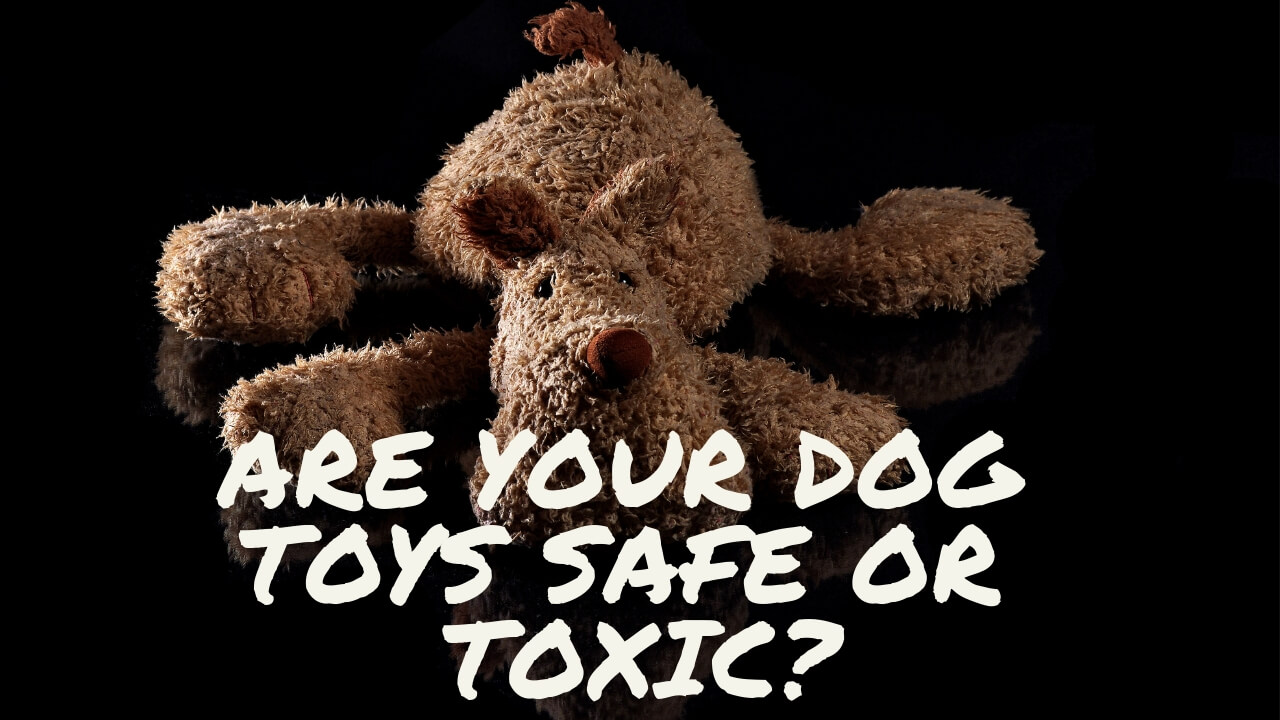
Plush toys can be a good fit for some dogs, but they should be matched to the dog’s chewing style. Dogs that quickly rip open seams may be able to swallow stuffing, fabric, squeakers, or other small parts, which can create choking or intestinal-blockage risks. Supervise play and retire damaged plush toys promptly.
How to choose safer dog toys
There is no single toy that is perfect for every dog. Choose toys based on your dog’s size, chewing strength, age, and play style. Inspect toys regularly, avoid pieces small enough to swallow, and replace items that are cracked, torn, or coming apart.
If you are shopping for alternatives, browse our dog toys for enrichment, fetch, chewing and interactive play. For aggressive chewers or dogs with dental concerns, ask your veterinarian which materials are most appropriate.
The FDA also warns that swallowed bones and pieces of chew toys can cause choking or gastrointestinal obstruction, so supervision matters even with products marketed for pets.