
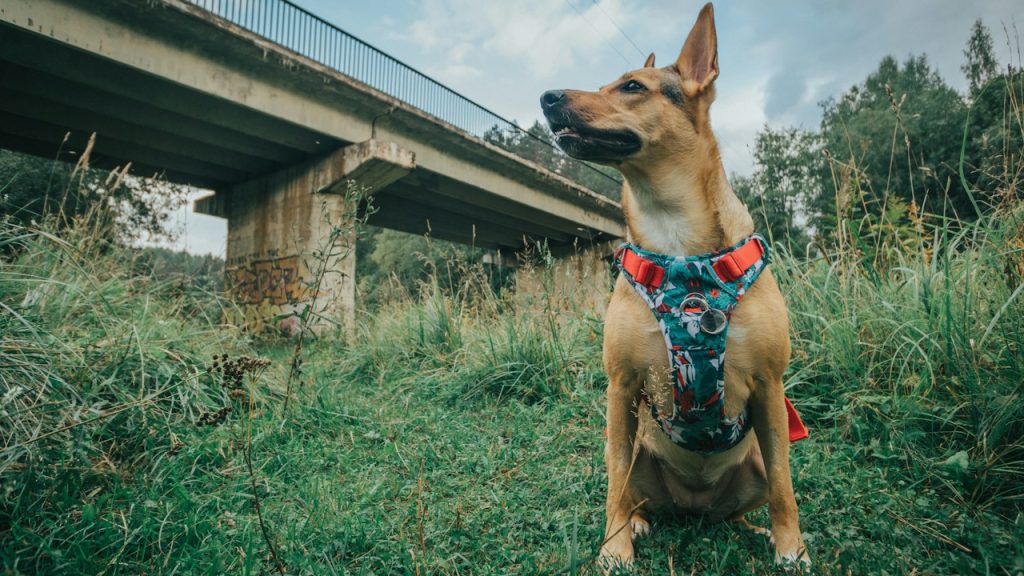
A walk can be the highlight of a dog’s day. It offers movement, fresh air, new smells, training opportunities, and time together. Whether you are heading around the block or exploring a longer trail, a little preparation can make the outing safer and more comfortable for both ends of the leash. The essentials are simple, but each one serves a purpose.
Start with a secure leash and properly fitted gear
Your dog’s leash or collar, or harness, should be in good condition before you leave home. It also helps to understand basic dog body language when navigating busy walking areas. Check clips, buckles, stitching, and adjustment points regularly. A harness should fit securely without rubbing or restricting normal movement. You should generally be able to fit a couple of fingers beneath straps, although fit varies by design and by dog.
For dogs that pull, back out of equipment, or have unusual body shapes, talk with a qualified trainer or veterinary professional about the safest setup. The goal is not simply a cute accessory. Walking gear is safety equipment, so comfort, fit, durability, and control matter.
Identification belongs on every outing
Even careful dog owners can encounter an open gate, broken clip, sudden noise, or unexpected escape. Keep current identification on your dog when appropriate, and make sure microchip registration details are up to date if your dog is microchipped. Before traveling, double-check that the phone number connected to your dog’s identification is one you can actually answer.
Bring water when conditions call for it
For longer walks, warm weather, travel days, and outdoor adventures, carry fresh water and a portable bowl or dog-friendly bottle. Do not rely on puddles or unknown outdoor water sources. Heat can become dangerous quickly, particularly for flat-faced dogs, puppies, seniors, overweight dogs, and dogs with certain medical conditions.
Plan walks for cooler parts of the day when temperatures are high. Pavement can become much hotter than the surrounding air. If conditions feel questionable, choose a shorter outing, shaded route, or indoor enrichment instead.
Pack the small things
Waste bags are an obvious must-have, but a few other lightweight items can be useful. Small training treats can reward calm behavior, check-ins, and good leash manners. A collapsible bowl takes little space. On longer outings, consider basic pet first-aid supplies appropriate for your destination. At night or in low visibility, reflective or illuminated gear can help your dog stand out.
Let the walk be more than mileage
A successful walk does not have to be fast. Give your dog safe opportunities to sniff and explore. Sniffing provides mental stimulation and can make a shorter walk surprisingly satisfying. Mix relaxed exploration with brief moments of training, such as rewarding your dog for looking back at you, waiting at a curb, or walking beside you for a few steps.
Watch your dog’s signals
Your dog should help determine the pace. Heavy panting, slowing down, repeatedly stopping, seeking shade, limping, or seeming unusually tired are reasons to pay attention. Weather, age, fitness, and health can change what is appropriate from one dog to another. When something seems wrong, end the outing and seek veterinary advice when needed.
The best dog-walking kit is the one that helps you leave home prepared without turning every stroll into an expedition. Secure gear, identification, waste bags, water when needed, and a little situational awareness cover most everyday adventures. Add patience and plenty of sniffing time, and an ordinary walk becomes one of the easiest ways to support your dog’s physical health, confidence, and happiness.