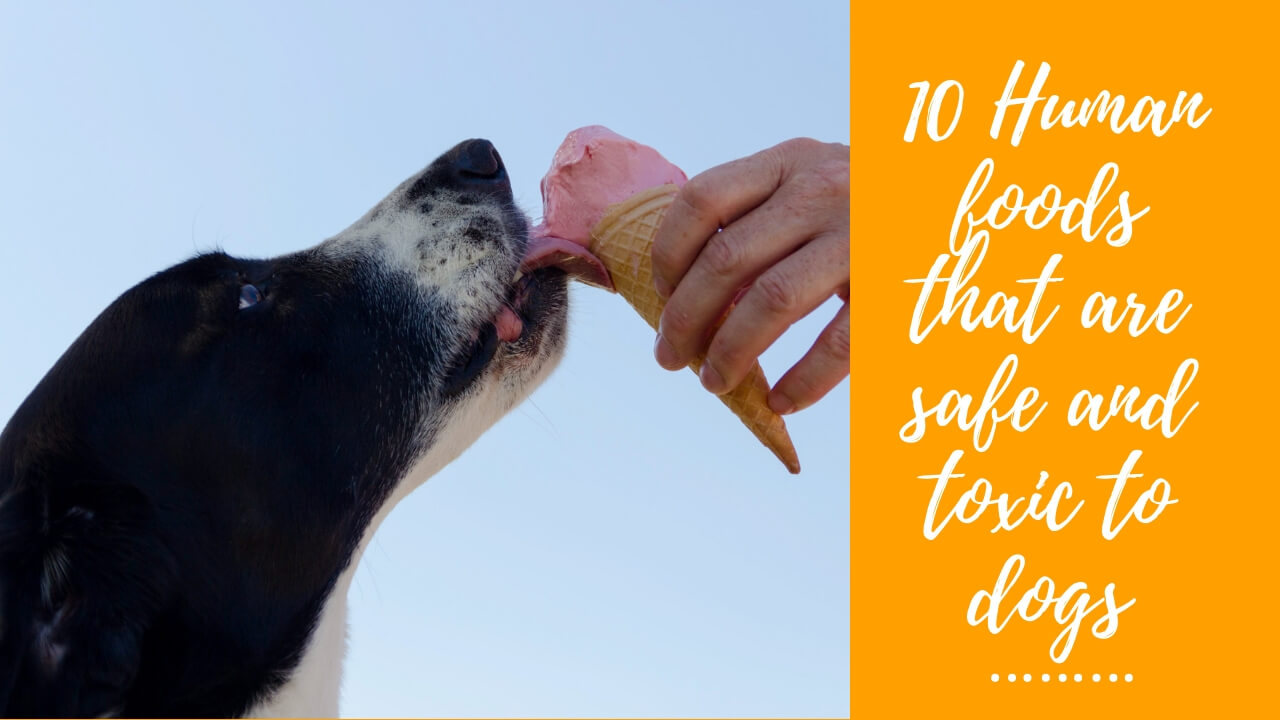
Some human foods can be offered to many healthy dogs in small amounts, but portion size, preparation, allergies, and medical conditions all matter. Treat foods should stay a small part of a complete and balanced diet.
Human foods dogs can often eat in moderation
- Peanut butter: Choose plain peanut butter with no xylitol and offer only a small amount because it is high in fat and calories.
- Cooked chicken: Plain, fully cooked, boneless chicken can be used as an occasional treat or topper. It should not routinely replace a complete dog food.
- Cheese: Some dogs tolerate small amounts, while others develop digestive upset from dairy. Use plain varieties and keep portions small.
- Carrots: Plain carrots can be a crunchy, low-calorie treat. Cut them into pieces appropriate for your dog’s size and supervise chewing.
- Yogurt: Plain, unsweetened yogurt may be tolerated by some dogs. Avoid products containing xylitol or large amounts of added sugar, and remember that some dogs do not tolerate dairy well.
- Salmon: Fully cooked, boneless, unseasoned salmon can be offered in small portions. Avoid raw salmon and heavily seasoned preparations.
- Pumpkin: Plain cooked or canned pumpkin, not pumpkin pie filling, can be offered in small amounts. Ask your veterinarian about using it for digestive problems rather than treating symptoms on your own.
- Eggs: Plain, fully cooked eggs can be an occasional treat. Cooking reduces the risk of foodborne bacteria associated with raw eggs.
- Green beans: Plain green beans can be a low-calorie treat. Avoid versions prepared with lots of salt, butter, garlic, or onion.
- Apple slices: Remove the core and seeds, then offer small pieces in moderation.
Foods and ingredients dogs should avoid
If your dog eats something potentially toxic, contact your veterinarian or an animal poison-control service promptly rather than waiting for symptoms.
- Chocolate: Chocolate contains methylxanthines such as theobromine and caffeine. Risk increases with the amount eaten and the concentration of cocoa, with baking chocolate and cocoa powder among the most concerning.
- Caffeine: Coffee, tea, energy products, caffeine tablets, and coffee grounds can be dangerous to dogs.
- Onions, garlic, and chives: Members of the allium family can damage red blood cells and cause gastrointestinal irritation. Raw, cooked, powdered, and concentrated forms can all be a concern.
- Alcohol: Keep alcoholic drinks and foods containing alcohol away from dogs. Even relatively small exposures can cause serious illness.
- Moldy or spoiled foods: Some molds produce toxins that can make pets very sick. Keep garbage and compost inaccessible.
- Grapes and raisins: These can cause kidney injury in dogs, and sensitivity varies. Treat any known ingestion as a reason to contact a veterinarian or poison-control service promptly.
- Macadamia nuts: These can cause weakness, vomiting, tremors, incoordination, and elevated body temperature in dogs.
- Raw yeast dough: Dough can expand in the stomach, and fermenting yeast can produce alcohol. Keep unbaked yeast dough out of reach.
- Bones. Cooked bones are extremely hard than raw bones. Bone splinters or small bones when swallowed can choke dogs, may cause intestinal obstruction and damage teeth.
- Corn on the cob. Corn on the cob cannot be digested well in a dog’s stomach. This can cause an intestinal blockage with symptoms such as vomiting, loss of appetite, diarrhea and abdominal discomfort.